Solar lighting in the Swiss winter: what actually works
"What about winter?" is the first question we get — rightly so: winter is what separates serious hardware from gadgets. Four factors make all the difference.
1. Battery chemistry
Classic lithium-ion suffers below 0 °C; LiFePO4 is rated to -25 °C and thousands of cycles. That is why our flood and street lights carry LiFePO4 packs: the battery that still works when the thermometer dives.
2. The reserve in watt-hours
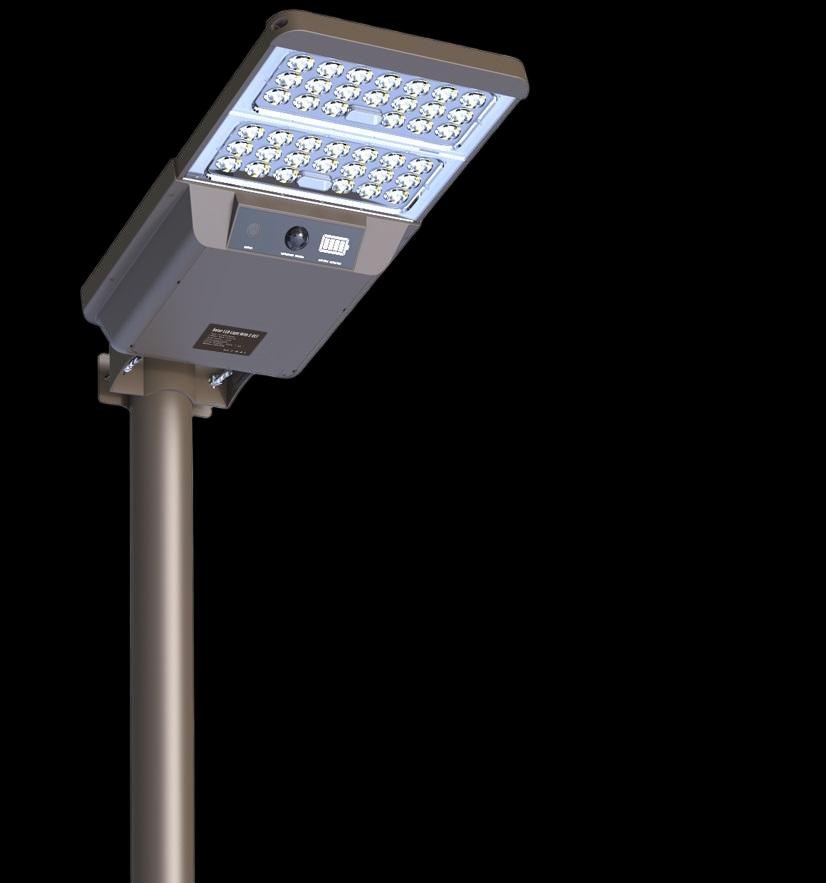
In December a panel produces three to four times less than in June. The answer is not a giant panel but a sized reserve: 96–192 Wh on the flood lights, 288–768 Wh on the street lights — several nights of headroom to cross grey spells.
3. Smart modes
A light at 100% all night drains any battery in January. Detection modes (10–30% standby, 100% on movement) cut consumption five-fold and more — the real secret of winter autonomy.
4. Orientation and snow
Panel due south, clear of winter shadows (low sun!), tilted 45–60°: snow slides off and the angle catches the grazing sun. The bifacial panels on the ELS-DP additionally harvest light reflected by snow on the ground.
In practice
An SHL-08 under a carport, an ELS-08 PRO on detection over a yard: correctly oriented, they cross the Swiss winter without going dark. If your site is extreme — valley floor, north slope — describe it before ordering: we adjust the model.